AI Mythbusters: Past, Present, and Future
A myth-busting look at AI’s past, present, and future, and why informed understanding builds confidence.
.png)

Challenging how we think about AI
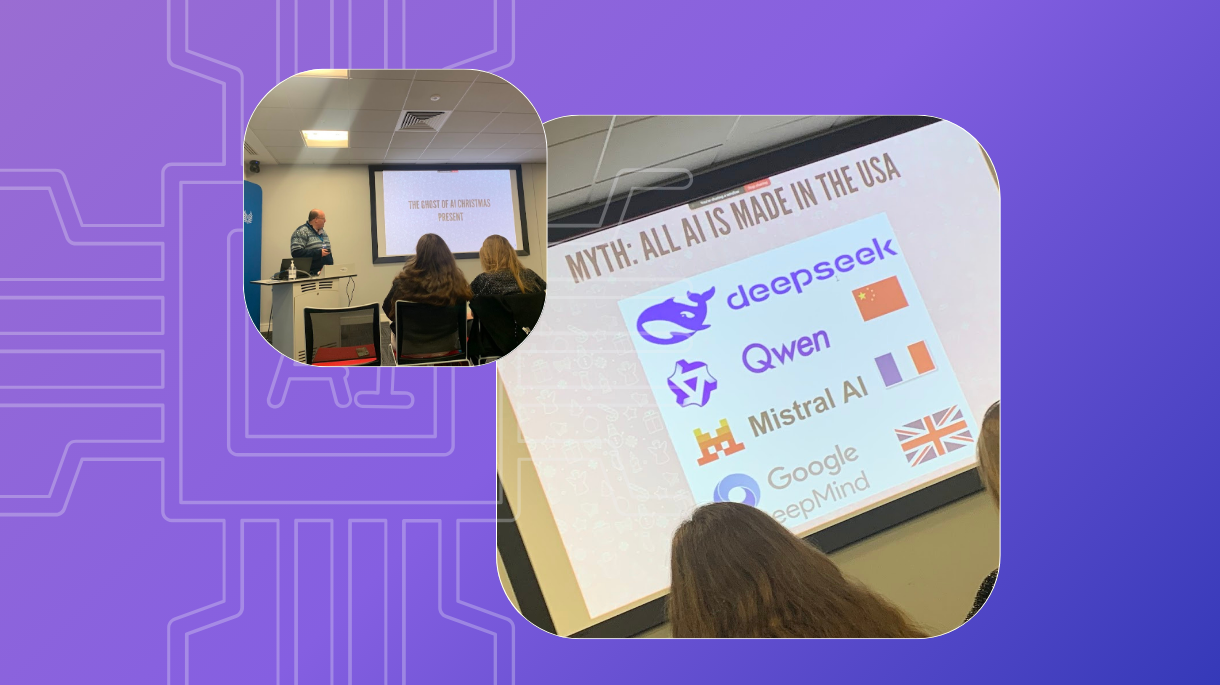
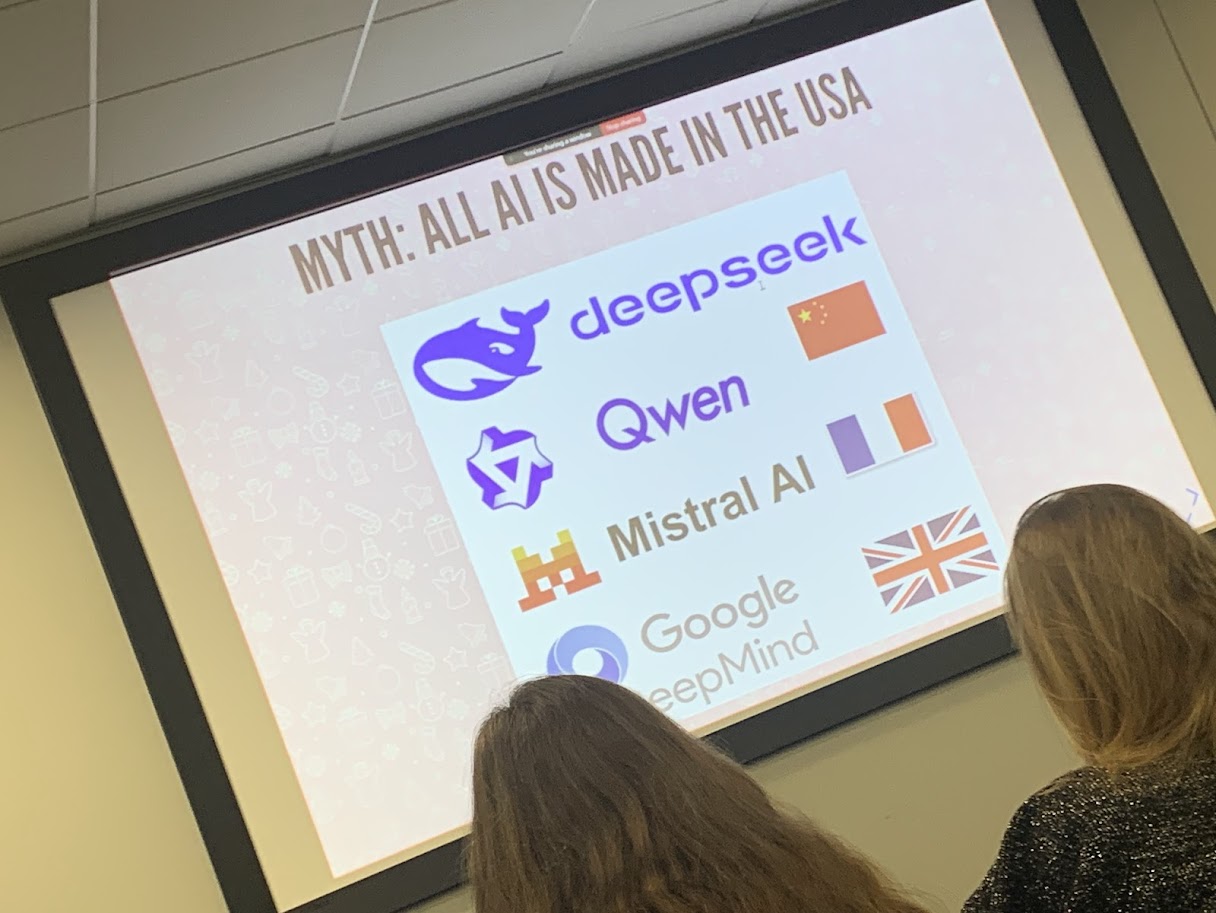
AI is often treated as something new, mysterious, or even inevitable. Attending the AI Mythbusters event at The Simulation Centre was a helpful reminder that many of the most common assumptions about AI — past, present, and future — don’t quite hold up.
Rather than focusing on hype, the session created space to step back, look at the history, and build confidence in understanding what AI really is and how it works.
Myth of the past: AI suddenly “worked”
One persistent myth is that AI failed for decades and then suddenly started working. In reality, today’s AI is the result of many ideas developed over a long period of time.
From early neural networks in the 1960s, through layered models, better testing approaches, and increasingly powerful hardware, progress has been gradual and cumulative. What we see today is not a sudden breakthrough, but the outcome of decades of experimentation, theory, and refinement.
Myth of the present: AI understands like humans
Another common assumption is that modern AI understands the world in the same way people do. While today’s models are extremely good at spotting patterns and predicting likely outcomes, they do not think, feel, or experience reality.
Understanding this distinction is important. It helps people use AI more effectively and responsibly, setting realistic expectations and recognising where human judgement remains essential.
“AI doesn’t replace understanding — it works best when paired with informed human decision-making.”
Myth of the future: AI is unstoppable and out of control
Looking ahead, it’s easy to assume that AI progress is inevitable and beyond human influence. The session challenged this idea directly.
How AI develops depends heavily on human choices: how systems are designed, tested, applied, and critically reviewed. Responsibility doesn’t sit with the technology itself, but with the people and organisations shaping its use.
Why AI literacy matters
At Magic Square Systems, this kind of AI literacy matters deeply. When we understand what AI is — and what it isn’t — we’re better equipped to build technology that is useful, grounded, and designed with people in mind.
Events like this reinforce the value of learning, questioning assumptions, and staying engaged with how technology evolves in practice.
Our thanks to the AI at Coventry University Group for delivering a thoughtful, confidence-building session that focused on clarity rather than fear.
Want to receive practical digital insight? Subscribe now!
Sign up to receive practical insights, project updates, and reflections on building digital systems that work.